What Is CDI?
Central diabetes insipidus (CDI) is a rare condition that affects how the body manages water

About 13,700 people in the US have CDI
Central diabetes insipidus (CDI) is also known as arginine vasopressin deficiency (AVP-D). It occurs when the brain doesn’t make enough of the hormone that helps control water balance in the body. It is not related to diabetes mellitus (which involves blood sugar) despite the similar name. The name AVP-D has been used more recently because it reflects a better understanding of the hormone involved in the condition and avoids confusion with diabetes mellitus. CDI affects about 1 in 25,000 people worldwide.
Normally, a hormone called arginine vasopressin (AVP), also known as antidiuretic hormone (ADH), is secreted by the pituitary gland (a small gland below the brain). This hormone helps the kidneys reabsorb water. The kidneys’ job is to filter the blood and keep the right balance of water in the body.
In CDI, the pituitary gland doesn’t release enough AVP into the body. This causes the kidneys to make too much urine, which can make a person urinate often and feel very thirsty.

What causes CDI?
When doctors can identify a cause, CDI is often linked to damage to the pituitary gland. Head injury is a common cause of acquired CDI (CDI not present at birth).
Some people are born with CDI. This is due to genetic mutations (changes in genes) passed down in families that affect how the body regulates water balance.

Central diabetes insipidus (CDI) symptoms
Common symptoms include:

Needing to urinate very often

- Making large amounts of pale urine during the day and night
- Often about 3/4 gallon to 5 gallons a day, depending on how severe the condition is
For comparison, an adult male without CDI weighing 150 pounds makes about 1 to 2 quarts of urine per day. A child without CDI weighing 40 pounds makes about 1/4 to 1/2 quart of urine per day

Feeling extremely thirsty
- Strong, constant need to drink water
- Waking up thirsty in the middle of the night

Showing signs of dehydration
- Feeling feverish or having a fever
- Dry skin or dry mouth
- Unplanned weight loss
- Skin that doesn’t bounce back quickly when pinched
- Headaches

Other possible symptoms
- Feeling dizzy or lightheaded
- Feeling weak or low on energy
- Ongoing tiredness
Symptoms to look for in infants and young children:
- Dehydration
- Vomiting
- Fever
- Constipation
- Bedwetting
- Being unusually fussy or irritable
- Trouble sleeping
- Difficulty gaining weight
- Slower growth than expected
It’s important to know that symptoms can change from day to day due to illness or changes in activity or routine. Having a consistent treatment can make CDI more manageable.

Talk to your doctor if you or your child have any of these symptoms

How central diabetes insipidus (CDI) is diagnosed and treated
Getting a diagnosis
CDI, also known as arginine vasopressin deficiency (AVP-D), is diagnosed by looking at symptoms, lab tests, and sometimes special tests that check how the body handles water. Your doctor may perform a water deprivation test, which checks if you or your child are making a lot of very pale urine. If so, CDI may be suspected.
Other tests may include:
- Desmopressin test: checks how the body responds to a synthetic form of AVP called desmopressin
- Copeptin testing: a blood test that checks how much copeptin, a substance in the blood released with AVP, is in the body
- Blood and kidney function tests: blood and urine tests that help check how well the kidneys are working and how the body is handling fluids
- Image scan of the brain: a non-invasive scan that helps doctors look at the pituitary gland and surrounding areas that help control AVP
- Genetic testing: to confirm if CDI is inherited
Why diagnosis can be difficult
- Nephrogenic diabetes insipidus (NDI), also known as arginine vasopressin resistance (AVP-R): the body produces AVP, but the kidneys do not respond to it properly
- Primary polydipsia: a psychiatric condition in which a person drinks excessive amounts of water even when the body does not need it
Because these conditions share similar symptoms, getting to a diagnosis can be long and frustrating.
Challenges may include:
- Missing CDI because symptoms look like other conditions
- Misdiagnosis because CDI is uncommon and not always top of mind
- Seeing many doctors and repeating tests before getting answers
The daily impact of living with CDI

For many families, daily management of CDI can feel stressful when symptoms or responses to treatment change. Getting the right form of treatment can help reassure accurate dosing.
Burden on patients and caregivers can be heavy, as managing treatment routines often means closely tracking fluids, medication doses, and early signs of dehydration or low sodium
Nighttime wakings for bathroom trips or to drink water can disrupt sleep and cause tiredness
Unpredictable symptoms can make school, work, or daily activities stressful and overwhelming
Treating CDI with desmopressin
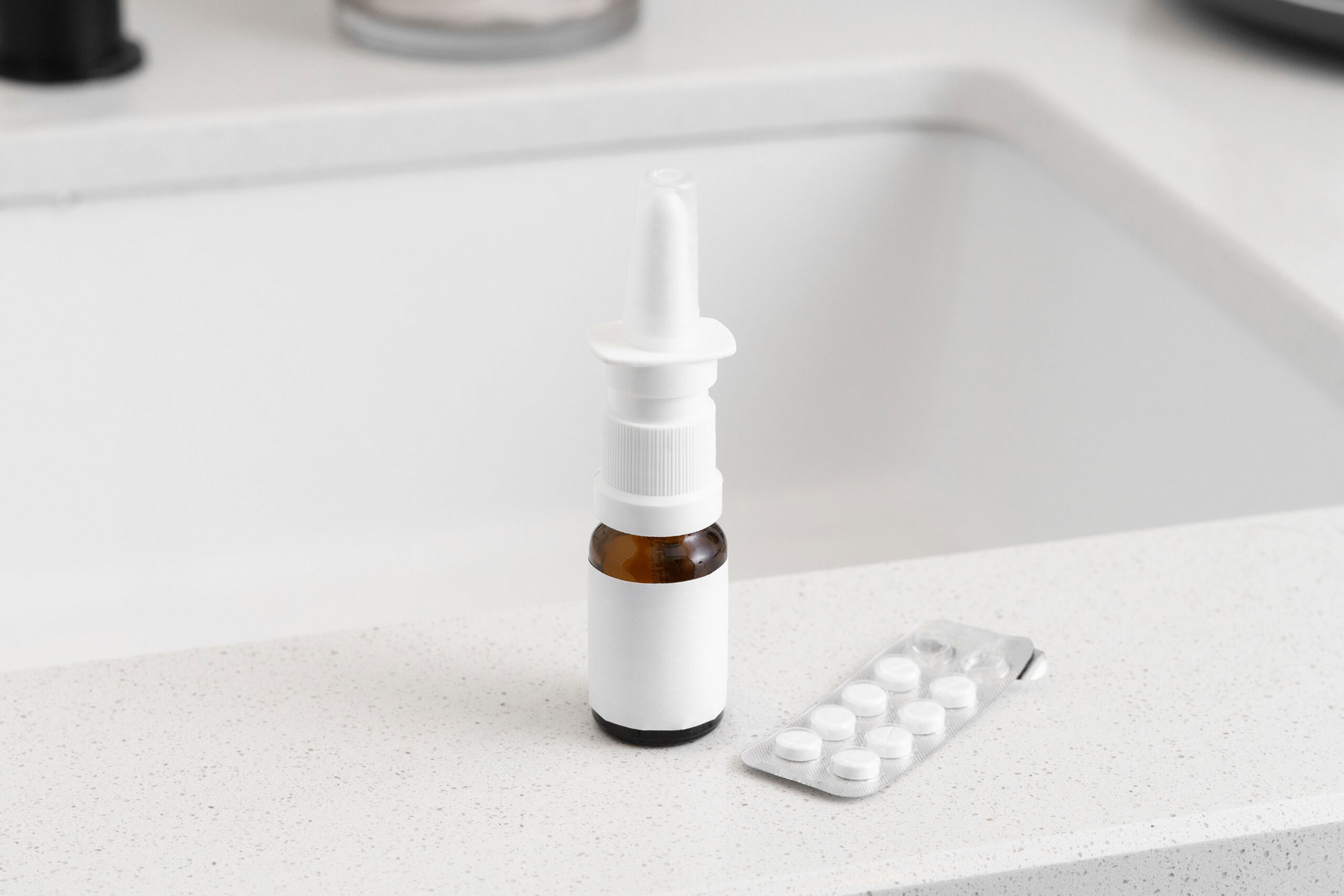
The main treatment for CDI is desmopressin, a synthetic form of the hormone AVP. Desmopressin is considered the standard treatment for CDI because it replaces AVP that the body is missing to directly address the cause of the condition. When used at the right dose, desmopressin helps the kidneys reabsorb water. This can reduce thirst and the need to urinate so often.
Taking the right dose of desmopressin is important because CDI affects each person differently.
- Even small changes in desmopressin dose can have potentially dangerous effects on the body
- Very young children and people with partial CDI may be especially sensitive to dose changes
The right dose helps control symptoms and lowers the risk of side effects, such as holding too much water. Doses often need to be adjusted over time.
Limitations of use: DESMODA is not approved to treat nephrogenic diabetes insipidus.
Challenges of current desmopressin forms
When managing CDI, getting the right dose of desmopressin matters. Desmopressin is often given as tablets you swallow, nasal sprays, injections, or individually mixed liquids, which all have potential limitations. Learn more about the challenges of each of these below.
Unpredictable
Tablets may require splitting for individualized dosing, which can make it harder to get consistent, accurate doses. Swallowing pills can also be difficult for some people.
Inconvenient
Injections (under the skin or into a vein) may be uncomfortable. Injection site reactions may also be seen.
Inconsistent
Nasal sprays may result in inconsistent doses if a stuffy nose or nasal irritation affects absorption.
Unapproved
Currently used compounded oral liquid forms are not FDA-approved and haven't been fully tested.
Each current form of desmopressin has trade-offs between dose accuracy, reliability, and flexibility.
Please see full Prescribing Information for more about DESMODA preparation and administration.
DESMODA can help you manage CDI with precision, flexibility, and consistency
USE AND IMPORTANT SAFETY INFORMATION
USE
DESMODA (desmopressin acetate) oral solution is a prescription medicine used to treat central diabetes insipidus (CDI) in adults and children.
Limitations of Use
Do not use DESMODA for the treatment of nephrogenic diabetes insipidus.
Who should NOT take DESMODA?
Do not take DESMODA if you:
- Have or have ever had low blood sodium levels (hyponatremia)
- Are allergic to desmopressin or any of the ingredients in DESMODA
- Have moderate to severe reduction in kidney function (creatinine clearance less than 50 mL/min)
IMPORTANT SAFETY INFORMATION
DESMODA can cause low blood sodium levels (hyponatremia), which can be serious and may be life-threatening.
Drinking too much fluid while taking DESMODA can lead to water intoxication and dangerously low sodium levels.
Symptoms of low blood sodium may include: headache, nausea or vomiting, weight gain, tiredness or weakness, confusion, muscle cramps or spasms. Severe symptoms may include seizures, coma, or trouble breathing. Your healthcare provider may recommend limiting how much fluid you drink and may monitor your blood sodium levels during treatment.
Children and older adults may be at higher risk of developing low sodium levels.
DESMODA may cause your body to hold onto (retain) fluid. Tell your healthcare provider if you have heart failure, high blood pressure, or swelling.
Serious allergic reactions, including fatal anaphylaxis, have occurred with desmopressin products. Stop taking DESMODA and seek emergency medical help if you develop symptoms such as trouble breathing, swelling of the face or throat, or severe rash.
DESMODA contains benzoic acid, which could potentially be harmful to low-birth-weight and preterm infants. Use in these patients requires careful monitoring and fluid restriction.
What are the possible side effects of DESMODA?
Other common side effects include GI upset, swelling, high blood pressure, nervous system disorders, and abnormal thinking.
Drug interactions
Tell your healthcare provider about all medicines you take. Some medicines may increase the risk of low sodium levels when taken with DESMODA, including certain antidepressants, pain medicines, NSAIDs, and seizure medicines. DESMODA can cause increased blood pressure. Talk to your doctor if you take other medicine that can raise blood pressure.
Please visit DESMODA.com for more information.
You are encouraged to report negative side effects of prescription drugs by contacting Eton Pharmaceuticals, Inc. at 1-855-224-0233 or the U.S. Food and Drug Administration (FDA) at https://www.fda.gov/safety/medwatch or call 1-800-FDA-1088.
Please see full Prescribing Information for more information.
USE AND IMPORTANT SAFETY INFORMATION
USE
DESMODA (desmopressin acetate) oral solution is a prescription medicine used to treat central diabetes insipidus (CDI) in adults and children.
Limitations of Use
Do not use DESMODA for the treatment of nephrogenic diabetes insipidus.
Who should NOT take DESMODA?
Do not take DESMODA if you:
- Have or have ever had low blood sodium levels (hyponatremia)
- Are allergic to desmopressin or any of the ingredients in DESMODA
- Have moderate to severe reduction in kidney function (creatinine clearance less than 50 mL/min)
IMPORTANT SAFETY INFORMATION
DESMODA can cause low blood sodium levels (hyponatremia), which can be serious and may be life-threatening.
Drinking too much fluid while taking DESMODA can lead to water intoxication and dangerously low sodium levels.
Symptoms of low blood sodium may include: headache, nausea or vomiting, weight gain, tiredness or weakness, confusion, muscle cramps or spasms. Severe symptoms may include seizures, coma, or trouble breathing. Your healthcare provider may recommend limiting how much fluid you drink and may monitor your blood sodium levels during treatment.
Children and older adults may be at higher risk of developing low sodium levels.
DESMODA may cause your body to hold onto (retain) fluid. Tell your healthcare provider if you have heart failure, high blood pressure, or swelling.
Serious allergic reactions, including fatal anaphylaxis, have occurred with desmopressin products. Stop taking DESMODA and seek emergency medical help if you develop symptoms such as trouble breathing, swelling of the face or throat, or severe rash.
DESMODA contains benzoic acid, which could potentially be harmful to low-birth-weight and preterm infants. Use in these patients requires careful monitoring and fluid restriction.
What are the possible side effects of DESMODA?
Other common side effects include GI upset, swelling, high blood pressure, nervous system disorders, and abnormal thinking.
Drug interactions
Tell your healthcare provider about all medicines you take. Some medicines may increase the risk of low sodium levels when taken with DESMODA, including certain antidepressants, pain medicines, NSAIDs, and seizure medicines. DESMODA can cause increased blood pressure. Talk to your doctor if you take other medicine that can raise blood pressure.
Please visit DESMODA.com for more information.
You are encouraged to report negative side effects of prescription drugs by contacting Eton Pharmaceuticals, Inc. at 1-855-224-0233 or the U.S. Food and Drug Administration (FDA) at https://www.fda.gov/safety/medwatch or call 1-800-FDA-1088.
Please see full Prescribing Information for more information.